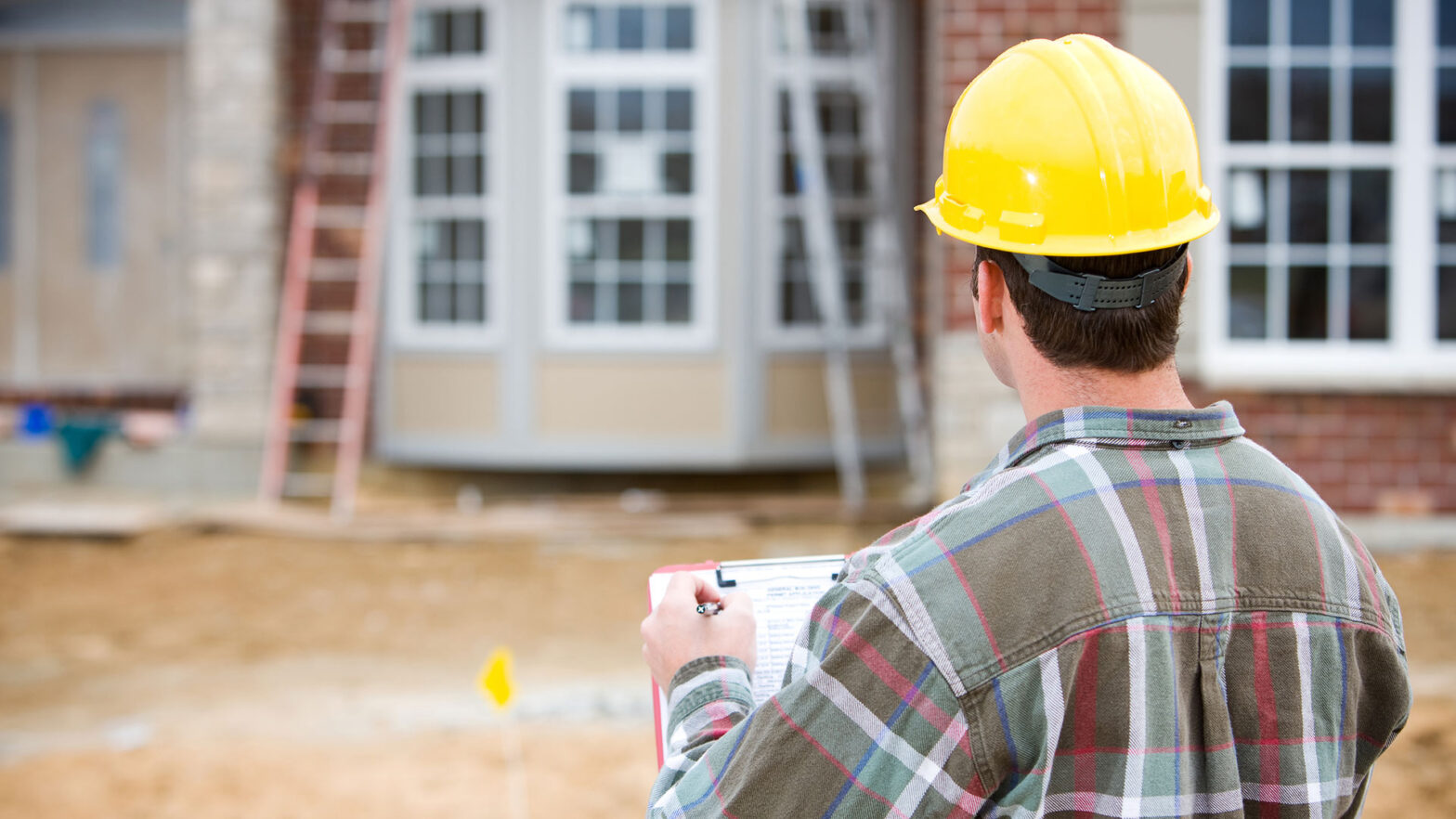
Home maintenance after a thorough inspection is crucial for preserving the condition and value of your home. From following the inspector’s recommendations to developing a maintenance schedule and monitoring for potential issues, there are key strategies every homeowner should consider to ensure their property remains in top shape. By implementing proactive maintenance measures and staying on top of routine tasks, you can prevent costly repairs, extend the lifespan of your home’s components, and create a safe and comfortable living environment for you and your family. In this informative blog post, we will provide practical tips and strategies for maintaining your home after the inspection to help you stay ahead of potential issues and protect your investment.
Developing Your Home Maintenance Plan
Creating a Schedule for Routine Tasks
Your home maintenance plan should include a schedule for routine maintenance tasks to ensure the longevity of your home’s components. An effective schedule should cover tasks like cleaning gutters, changing air filters, testing smoke detectors, and servicing HVAC systems. By staying on top of these tasks, you can prevent costly repairs down the line and extend the lifespan of your home’s systems.
Prioritizing Repairs and Upgrades
Pertaining to maintaining your home, prioritizing repairs and upgrades is imperative. On the one hand, address the repairs identified in the home inspection report promptly to prevent further deterioration. On the other hand, consider upgrading to more energy-efficient appliances or improving insulation to save on utility bills and reduce your environmental impact. By prioritizing these repairs and upgrades, you can ensure your home remains in top condition.
Preventative Measures for a Healthy Home
Identifying and Addressing Water Leaks
Leaks can cause significant damage to a home if left unchecked. Regularly inspect areas prone to leaks, such as around windows, plumbing fixtures, and appliances. Address any leaks promptly to prevent further damage and costly repairs down the line. Water damage is one of the most common and costly issues found in homes, so staying vigilant in identifying and addressing leaks is crucial for maintaining a healthy living environment.
Pest Prevention Strategies
Any home is susceptible to pest infestations, which can not only be a nuisance but also cause costly damage. Follow the inspector’s recommendations for addressing potential entry points for pests, such as sealing cracks and crevices. Regular pest control treatments can help prevent infestations and protect your home’s structural integrity. Taking proactive steps to prevent pests can save you time and money in the long run, ensuring a healthy and comfortable living environment for you and your family.
Another important aspect of pest prevention is keeping up with landscaping and exterior maintenance. Proper maintenance, such as trimming trees and addressing drainage issues, can help deter pests from nesting near your home. By implementing these preventative measures, you can reduce the risk of pest infestations and maintain a healthy living environment.
Enhancing Your Home’s Efficiency and Safety
Implementing Energy-Efficient Improvements
Many homeowners are unaware of the potential cost savings and environmental benefits that can come from implementing energy-efficient improvements in their homes. To enhance your home’s efficiency, consider adding insulation, sealing drafts, or upgrading to more efficient appliances and HVAC systems. According to data from the home inspection report, these improvements can save you money on utility bills and reduce your environmental impact in the long run.
Regular Safety Checks and Equipment Maintenance
Many homeowners neglect the importance of regular safety checks and equipment maintenance in their homes. The data from the inspection report highlights the significance of monitoring for water leaks, conducting routine maintenance tasks, and servicing HVAC systems. By staying proactive and following a consistent maintenance routine, you can ensure the safety and functionality of your home. The small effort put into regular checks can prevent costly repairs and maintain a safe and comfortable living environment for you and your family.
Keeping up with Your Home’s Exterior
Landscaping and Exterior Maintenance
For a well-maintained exterior, it is crucial to keep up with landscaping and exterior maintenance tasks. Regularly cleaning gutters, trimming trees, and addressing any drainage issues can prevent water damage, pest infestations, and other issues that could compromise the structural integrity of your home. By staying proactive in these areas, you can extend the lifespan of your home and avoid costly repairs.
Seasonal Considerations for Outdoor Spaces
The changing seasons bring different challenges for your outdoor spaces. The fall and winter may require tasks such as clearing leaves and snow, while spring and summer may involve planting new flowers and maintaining your lawn. The key is to adapt your maintenance routine to the seasonal needs of your outdoor areas to ensure they stay in optimal condition throughout the year.
Your outdoor spaces are an extension of your home and require regular attention to keep them looking their best. By staying diligent in your maintenance efforts, you can create a welcoming and functional outdoor environment that enhances the overall appeal of your property.
To Wrap Up
With this in mind, it is crucial to prioritize home maintenance after completing a thorough inspection. By following the inspector’s recommendations, developing a maintenance schedule, monitoring for potential issues like water leaks and pests, improving energy efficiency, maintaining outdoor areas, keeping detailed records, and considering a home warranty, you can effectively preserve the condition of your home. Consistent upkeep not only extends the lifespan of your home’s components but also saves you from costly repairs in the future. By taking proactive measures and staying on top of routine maintenance tasks, you can ensure a safe and comfortable living environment for you and your family for years to come.