
I logged into my Crazytower Casino account this morning expecting the usual lobby, but rather I encountered a fully revamped personal space that seemed akin to a command center than a gambling site https://crazy-towercasino.com/. The platform has discreetly rolled out a custom dashboard designed for the Canadian market, and it immediately changes how I use every feature. Gone is the clutter of generic menus and pop-ups. In its place rests a tidy, modular interface that remembers my preferences, brings up the games I actually play, and places real-time account data front and center. This is not a cosmetic refresh. It is a structural rethink of the player account area, intended to reduce friction and allow me manage my entire experience from one screen that completes loading in under two seconds on a standard home connection.
Customization Options at Your Fingertips
Drag-and-drop features lets me decide what shows up where, and the system retains my layout across sessions through browser storage linked with the account cloud. I shifted the live support widget to the bottom left, changed the size of the game recommendation panel to show six titles instead of four, and pinned my three most-played live dealer tables so they appear as one-click launch buttons. The color theme also adjusts to my system preference: dark mode by night, light mode during the day, with a manual override if I decide. These may sound like small touches, but after a week of use, the accumulated efficiency gain is evident. I spend less time moving around and more time engaged in actual play, which is the entire point of a personal hub.
Why a Personal Center is Key

Before this improvement, navigating an online casino resembled a warehouse lacking any signage. I had to navigate several layers just to view a balance or locate a particular live dealer table. The new dashboard consolidates everything into a single coherent view, and that is significant because it preserves cognitive energy. Rather than memorizing where different tools are located, I now find them presented as tiles, widgets, and collapsible cards I can reorganize. This transition from a site-oriented design to a player-oriented dashboard reflects a broader industry trend where personalization is no longer optional. For a Canadian audience that often manages several payment options and game types, having a central cockpit lessens the little irritations that gather over a session and silently steer players to other platforms.
Protection Measures Integrated into the Hub
Two-Factor Authentication Setup
Enabling two-factor authentication does not require exiting the dashboard and hunting through account settings. A specialized security card within the hub allowed me to enable TOTP-based 2FA with a QR code scan, then verified the modification with a test prompt. Once active, any login from a new device generates an approval request that appears as a push notification if I have an active session elsewhere, or as a standard code entry. The dashboard also shows an active sessions list with IP addresses and browser fingerprints, so I killed a session from last week that listed a different city, presumably my own VPN connection, but the option to kill it instantly was confidence-inspiring.
Activity Tracking
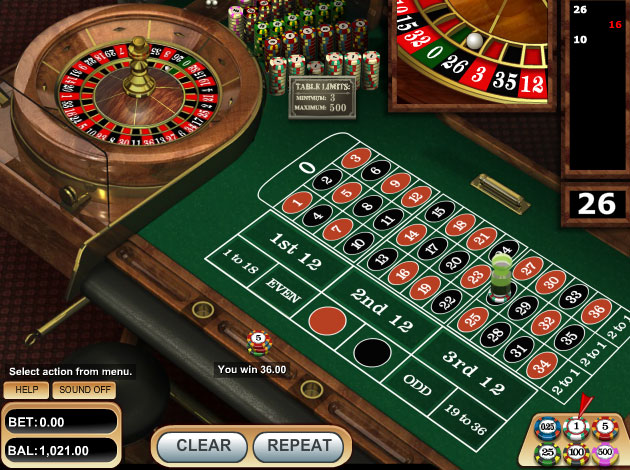
A instant tile shows my current session duration, average bet size relative to my historical baseline, and a soft color gradient that shifts from green to amber if my play patterns vary substantially from my usual behavior. This is not a hard responsible gambling intervention, but it functions as a gentle mirror. I found myself chasing a loss on a roulette table, noticed the tile had turned amber, and walked away for ten minutes. The data is kept private to my account, and no pop-up interrupted the flow, yet the visual cue was effective. For players who prefer more direct controls, the same tile links to deposit limits and cooldown options without navigating away.
Cross-Platform Consistency
I moved between a laptop, an Android phone, and an iPad over three days to assess whether the dashboard experience deteriorated on smaller screens. It did not. The layout rearranges into a single-column stack with the same widgets, though I had to scroll more to see everything. Touch targets are ample, and the drag-and-drop customization syncs through the account, so my phone shows the exact pinned games and panel order I set up on desktop. Load times on mobile data were under three seconds, and the dark mode conserved battery on an OLED screen. This consistency means I can start a session on my computer, check activity from my phone while traveling, and never feel like I am using a reduced version. The hub is genuinely device-agnostic, which matches the way of how people actually play today.
Onboarding and Account creation
I set up a fresh account to evaluate the workflow from the ground up, and the dashboard immediately shows its value during the sign‑up process. Instead of putting me into a generic lobby, the platform posed several quick questions about my game preferences, deposit habits, and display language choice between English and French. That information configured my initial dashboard layout immediately. The verification process integrated with a document upload module with a visible progress bar, so I always knew if my ID was pending or rejected. Within three minutes I had a fully functional hub showing my selected username, my default currency as Canadian dollars, and a quick‑start panel recommending three slots matching my chosen volatility. Nothing seemed intrusive, yet the customization was tangible from the first moment.
Dashboard Layout and Core Modules
Live Activity Log
The middle column shows a live-updating activity stream that logs every deposit, withdrawal, bonus activation, and game session in chronological order. I can filter it by date range or event type, and each entry expands to show granular detail such as the exact game ID, session duration, and net result. This clear timeline erases the need to dig through separate transaction pages, and I ended up using it as a live journal of my play without any extra effort. If a charge appears unknown, I can flag it directly from the stream, creating a support ticket that pre-fills with the transaction hash. The emotional effect is a sense of control that generic account histories rarely provide.
Wallet & Transaction Summary
To the right is located a wallet panel that surpasses a simple balance number. It splits available funds from bonus money, shows a mini pie chart of my deposits by method, and displays a pending withdrawal timer that counts down in real time. When I initiated an Interac e-Transfer, the dashboard refreshed within seconds to confirm the request was received, then changed to processing status an hour later. This real-time clarity solves one of the most common anxiety points for Canadian players who need to see exactly where their money is at any given moment. A small refresh button exists, but the data refreshes on its own without full page reloads, which keeps the experience fluid.
An Open Record of Your Activity
Aside from the live stream, the dashboard includes an export function that produces a dated CSV file of all transactions, bonus credits, and gameplay logs. I pulled my last thirty days and viewed the file in a spreadsheet, confirming every number corresponded to my own records. This level of exportable transparency is uncommon, and it signals that the operator desires accountability rather than opacity. I can also sort the export by game category to see clearly how much time and money went into slots versus live casino products. For anyone who keeps tabs on their play diligently or needs records for personal accounting, this single feature converts the dashboard from a convenience into a practical financial tool. The download happens entirely within the hub, with no email attachment delays.