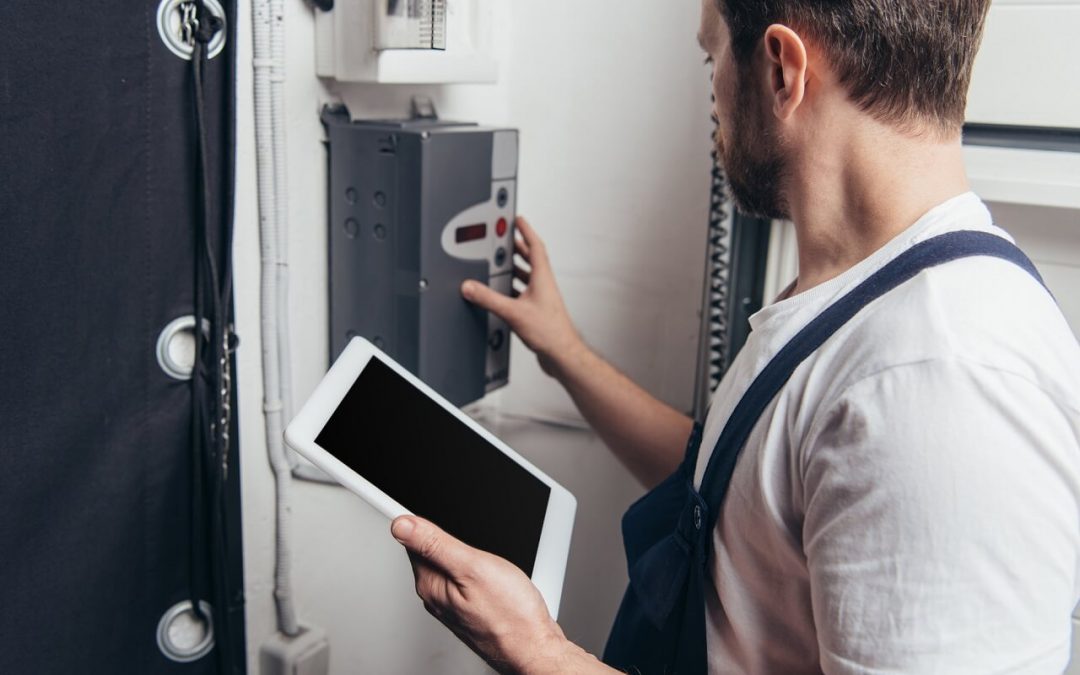
There’s no denying that a home inspection is a crucial step in the home buying process, providing buyers with imperative insights into the condition of a property. From evaluating the exterior for signs of damage to examining the major systems like electrical, plumbing, HVAC, and appliances, a thorough inspection covers every aspect of a home. In this blog post, we will examine into the details of what to expect during a home inspection, including the process, areas of focus, and the importance of accompanying the inspector. So, read on to gain valuable knowledge about this vital step in the real estate journey.
Preparation for the Inspection
Scheduling the Inspection
To ensure a smooth home inspection process, it is recommended to schedule the inspection well in advance. Typically, home inspections are scheduled after an offer has been made on a property and before the closing date. This allows enough time for any issues identified during the inspection to be addressed before the sale is finalized.
What Homeowners Should Do Before the Inspector Arrives
Homeowners should take certain steps to prepare their property for the inspection. This includes ensuring all areas of the home are easily accessible, such as attics, basements, and utility closets. Clearing clutter and debris from these areas can help the inspector thoroughly evaluate the property. Additionally, it is recommended to compile any documentation or maintenance records related to the home’s systems and appliances for the inspector to review.
Another important aspect for homeowners to consider before the inspector arrives is to test all smoke alarms and carbon monoxide detectors in the home to ensure they are functioning properly. This not only helps in maintaining the safety of the property but also signals to the inspector that the homeowner takes safety precautions seriously.
Exterior Evaluation
Assessing Roof and Chimney
Some of the key areas evaluated during the exterior assessment of a home inspection include the roof and chimney. The inspector will carefully assess the condition of the roof, looking for any signs of damage, wear, or missing shingles. Additionally, the chimney will be inspected for structural integrity and any potential issues that could impact the home’s safety and functionality.
Examining Siding, Windows, and Doors
Exterior examination during a home inspection also includes a thorough inspection of the siding, windows, and doors. The inspector will assess the siding for any cracks, rot, or other damage that could lead to issues with insulation or moisture penetration. Windows and doors will be checked for proper installation, functionality, and any signs of air leakage or drafts. This evaluation plays a crucial role in determining the overall condition and maintenance needs of the home.
Plus, the inspector will look for potential entry points for pests or moisture and evaluate the condition of the gutters, downspouts, and drainage systems. Maintaining the exterior elements of a home is imperative for protecting the property and ensuring its longevity.
Interior Analysis
Structural Integrity: Walls, Floors, and Ceilings
After thoroughly examining the exterior of the home, the inspector will move inside to assess the structural integrity of the walls, floors, and ceilings. They will be on the lookout for any signs of settling, cracks, or other potential issues that could indicate underlying structural problems. The inspector will also evaluate the condition of the doors, windows, and insulation to ensure they are in proper working order.
Systems Inspection: Electrical, Plumbing, and HVAC
Integrity: During the interior analysis, the inspector will also thoroughly inspect the home’s major systems, including electrical, plumbing, and HVAC. This includes evaluating the electrical panel, wiring, plumbing fixtures, and HVAC systems for safety, functionality, and compliance with current building codes. They will check for any leaks, proper water pressure, and efficient operation of heating and cooling systems.
Additional Home Components
Inspecting Attics and Basements
Many home inspections also include a thorough examination of the attic and basement areas. On the attic, the inspector will assess the insulation, ventilation, and structural components to ensure they are in good condition and up to current standards. In the basement, if applicable, they will look for signs of water damage, leaks, or mold growth, as well as check the foundation and any supporting structures.
Reviewing Major Appliances and Fixtures
One imperative aspect of a home inspection is reviewing the major appliances and fixtures within the property. For instance, the inspector will test the functionality of appliances like the stove, oven, refrigerator, and dishwasher, ensuring they are in proper working order. They will also check the condition of plumbing fixtures, such as faucets, sinks, and toilets, to identify any leaks or issues that need to be addressed.
Attending the Inspection
Importance of Being Present
With a comprehensive evaluation of a property’s condition at stake, it is crucial for homeowners to be present during the home inspection process. Not only does it provide an opportunity to ask questions and gain a better understanding of the property’s condition, but it also allows for immediate clarification and discussion of any issues identified by the inspector.
Questions to Ask Your Inspector
Questions are a vital part of the home inspection process. It is important to come prepared with a list of questions to ask your inspector regarding the various areas and systems of the home being evaluated. Inquire about the condition of the electrical, plumbing, HVAC systems, as well as any concerns about the structural integrity of the property.
Being proactive and engaged during the inspection will not only help homeowners make informed decisions about the property but also ensure a thorough evaluation of the home’s condition. Trusting the expertise of the inspector and asking pertinent questions will ultimately lead to a more comprehensive inspection report and a clearer understanding of any potential issues.
Understanding the Report
Navigating the Inspection Report
With your home inspection complete, it’s time to examine the detailed report provided by the inspector. This document will outline all aspects of the property’s condition, including any areas of concern or recommendations for repairs. Navigating the report can be overwhelming, so take the time to review it carefully and seek clarification on any points you don’t understand.
Interpreting Findings and Recommendations
Findings from the home inspection report can vary in severity, from minor maintenance issues to major structural concerns. It’s crucial to understand the implications of each finding and the recommended course of action. If there are major issues identified, consider seeking further evaluation from a specialist to assess the extent of the problem and potential repair costs before proceeding with the purchase of the property.
Post-Inspection Steps
Addressing Identified Issues
Steps should be taken to address any issues identified during the home inspection, such as structural concerns, faulty electrical wiring, plumbing leaks, or HVAC system inefficiencies. Failure to address these issues can lead to costly repairs down the line or compromise the safety and integrity of the property. It is crucial to prioritize these issues and hire qualified professionals to make the necessary repairs.
Planning Repairs and Negotiations
When planning repairs and negotiations after a home inspection, it is important to consider the potential cost of repairs and how they may impact the final sale price. For instance, if major repairs are needed, buyers may negotiate with the seller to either reduce the sale price or have the repairs completed before closing. Sellers can also choose to make the repairs themselves to increase the appeal of the property to potential buyers.
Conclusion
With these considerations in mind, it is important to approach a home inspection with a clear understanding of the process and what to expect. A thorough inspection by a licensed professional can provide valuable insights into the condition of a property, helping buyers make informed decisions about their investment. By being present during the inspection and actively participating in the process, homeowners can gain valuable knowledge about their home’s structural integrity, systems functionality, and potential maintenance needs. The detailed report provided by the inspector serves as a guide for prioritizing repairs and improvements, ensuring that the home remains safe and comfortable for its occupants. Ultimately, a home inspection is an important step in the home buying or selling process, offering peace of mind and assurance to all parties involved.